Two-Week Wait After Embryo Transfer: Symptoms, Precautions, and What to Avoid

After an embryo is transferred during IVF, the next step is a period of waiting before you can take a pregnancy test. This is commonly known as the two-week wait after embryo transfer.
These days can bring a lot of questions. You may notice cramping, spotting, breast tenderness, bloating, or fatigue. You may also feel completely normal. Neither symptoms nor their absence can confirm whether the embryo has implanted.
It is also important to remember that medicines used during IVF, particularly progesterone, can cause symptoms that feel similar to early pregnancy.
This guide explains what the two-week wait means, what you may experience during this period, what precautions are sensible, what you can continue doing, and when you should contact your fertility team.
What is the Two-Week Wait After Embryo Transfer in IVF?
The two-week wait after embryo transfer refers to the period between the embryo transfer and the pregnancy test. It is called a two-week wait because pregnancy testing is usually done around this time, although the exact testing day can vary based on your treatment and your fertility clinic’s protocol.
Why is the Two-Week Wait Important?
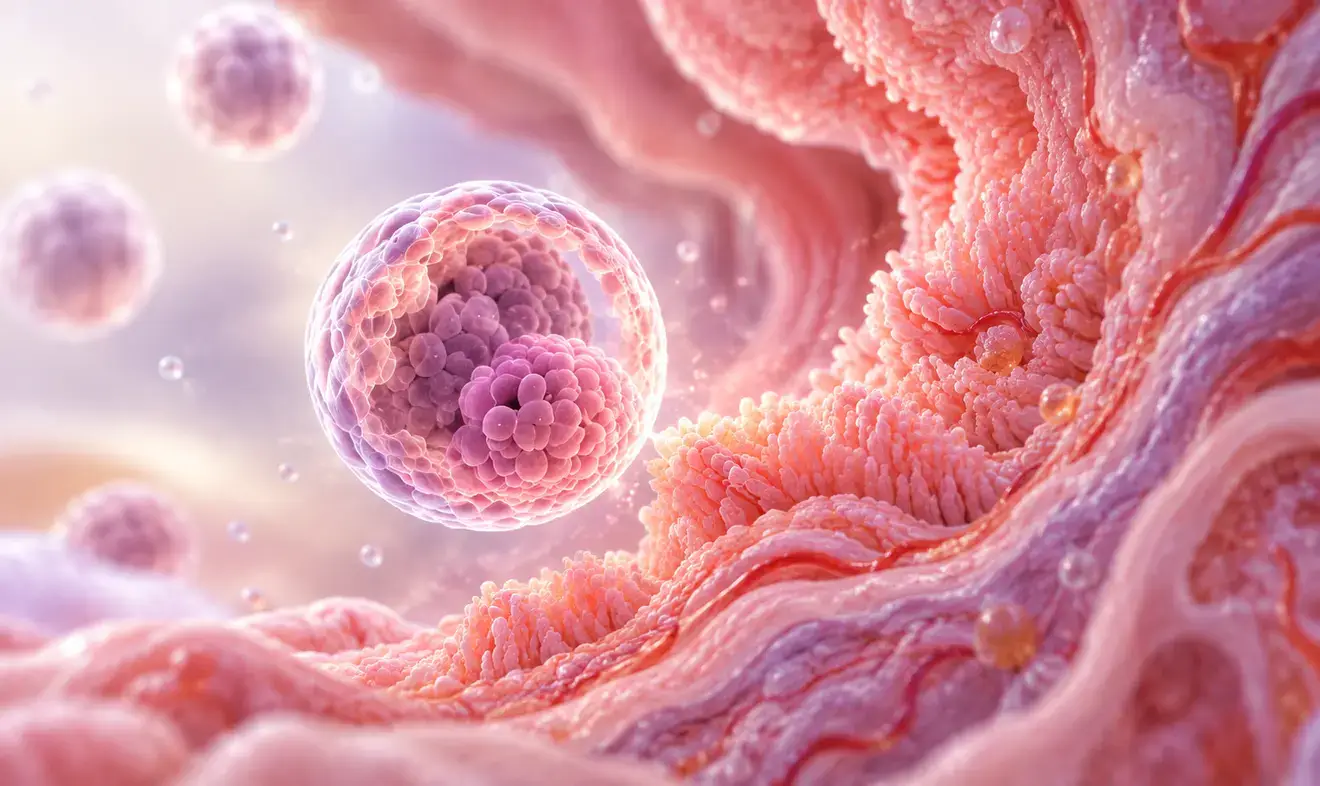
After the embryo is transferred, implantation may occur if the embryo successfully attaches to the uterine lining. Following implantation, the embryo begins producing human chorionic gonadotropin (hCG). This hormone rises gradually and can be detected through a pregnancy test.
Testing too early may not provide an accurate result because hCG may not have reached a detectable level yet. In some IVF cycles, an hCG trigger injection can also affect an early pregnancy test.
The two-week wait therefore gives the body time for implantation and for hCG levels to rise enough for testing to provide a more reliable result.
What Happens During the Two-Week Wait After Embryo Transfer?
The exact timeline depends on the stage of the embryo at transfer. The following describes the general process after a Day 5 blastocyst transfer, which is commonly used in IVF. A Day 3 embryo follows a different developmental timeline.
| Time after transfer | What may be happening |
|---|---|
| Day 0 | The embryo is transferred into the uterus through a thin catheter. If a blastocyst was transferred, it is already at an advanced stage of development. |
| Days 1-2 | The blastocyst may continue expanding and preparing to hatch from the protective zona pellucida. |
| Days 3-4 | If development continues, the blastocyst may hatch and begin interacting with the uterine lining. |
| Days 5-7 | Implantation may begin during this period. The blastocyst attaches to and starts to penetrate the endometrium. Implantation timing can vary. |
| Days 7-9 | If implantation has occurred, cells associated with the developing pregnancy begin producing hCG. Levels are initially low and gradually rise. |
| Days 9-11 | hCG may become detectable through pregnancy testing, although the timing varies between individuals and tests. |
| Days 12-14 | This is around the time many clinics schedule pregnancy testing. The exact date depends on the treatment protocol and your fertility clinic’s instructions. |
| Note: A key point is that not every woman will experience symptoms at each stage. Implantation itself does not produce a predictable set of sensations, and the absence of symptoms does not mean implantation has not occurred. |
What Symptoms Can You Experience During the Two-Week Wait?
You may notice physical changes during the two-week wait after embryo transfer, but you may also have no symptoms at all.
Importantly, the following symptoms cannot confirm implantation or pregnancy.
- Mild Cramping: Mild cramping or period-like discomfort can occur after embryo transfer. It may be related to the transfer procedure, hormonal changes, or progesterone. Mild, short-lived cramping is generally not unusual. Severe, persistent, or worsening pain should be discussed with your fertility team.
- Light Spotting or Bleeding: Some women experience light spotting after embryo transfer. It may occur because of minor cervical irritation from the transfer procedure or other changes during the treatment cycle. Spotting cannot confirm implantation or pregnancy. Heavy bleeding, particularly when accompanied by significant pain, should be reported to your fertility clinic.
- Breast Tenderness: Breast tenderness, sensitivity, or a feeling of fullness can occur during the two-week wait. Progesterone can cause these changes, so breast tenderness alone cannot tell you whether pregnancy has occurred.
- Bloating and Abdominal Fullness: Bloating and abdominal fullness can occur because of hormonal changes and progesterone used during IVF treatment. If you have undergone ovarian stimulation, your ovaries may also remain enlarged for some time after egg retrieval. Significant or rapidly worsening abdominal swelling should be reported to your fertility team.
- Fatigue and Sleepiness: Feeling unusually tired or sleepy is possible during the two-week wait. Progesterone, changes in sleep, emotional stress, and early pregnancy can all contribute to fatigue. Therefore, tiredness alone cannot confirm pregnancy.
- Increased Urination: Some women notice more frequent urination around early pregnancy. However, this is not usually a reliable symptom immediately after embryo transfer. Increased urination can have several other causes, including drinking more fluids. It should not be considered proof that implantation has occurred.
- Nausea: Nausea is commonly associated with early pregnancy, but it usually becomes more noticeable after pregnancy hormones have risen further. Feeling nauseous during the two-week wait does not necessarily mean you are pregnant. Medication, anxiety, dietary changes, or digestive issues can also cause nausea.
What You Should Avoid During the Two-Week Wait After Embryo Transfer?
You do not need to stop all normal activities after an embryo transfer. However, a few precautions can help you take care of yourself during this period.
Avoid Strenuous Exercise
- Avoid starting a new, intense workout routine.
- Avoid activities that involve heavy exertion or a high risk of injury.
- Gentle walking and normal daily movement are generally fine.
- Follow your fertility specialist’s advice if you have been given activity restrictions.
Avoid Smoking and Alcohol
- Avoid smoking and exposure to second-hand smoke.
- Avoid alcohol during the two-week wait because pregnancy is possible.
- Do not use recreational drugs.
Be Careful With Certain Foods: You do not need a special diet after embryo transfer. However, if pregnancy is possible, follow standard pregnancy food-safety precautions. Avoid or limit:
- Raw or undercooked meat, seafood, and eggs
- Unpasteurised milk and dairy products
- Fish that is high in mercury
- Excessive caffeine
Do Not Start Medicines or Supplements Without Advice
- Do not start a new medicine, painkiller, herbal product, or supplement without checking with your fertility specialist.
- Some medicines may not be suitable if pregnancy has occurred.
Do Not Stop Your Prescribed IVF Medicines
- Continue progesterone and other medicines exactly as prescribed.
- Do not stop them because you develop spotting, cramps, or symptoms that feel like your period is approaching. Speak with your fertility team first.
Avoid Excessive Heat
- It is sensible to avoid activities that cause prolonged exposure to very high temperatures, such as hot tubs and saunas.
- Follow your fertility clinic’s specific advice if it has given you additional precautions.
| Please Note: You do not need complete bed rest unless your fertility specialist specifically recommends it. Normal walking, using the toilet, or climbing stairs does not cause the embryo to fall out. |
What Can You Do During the Two-Week Wait After Embryo Transfer?
You can continue many of your normal daily activities after embryo transfer.
- Take your prescribed medicines on time.
- Eat regular, balanced meals.
- Stay hydrated.
- Take gentle walks if you feel comfortable.
- Get adequate sleep.
- Continue light household activities.
- Go to work if you feel well and your job does not involve strenuous physical activity.
- Follow the pregnancy food-safety precautions recommended by your doctor.
Please Note: You do not need complete bed rest unless your fertility specialist specifically recommends it. Normal walking, using the toilet, or climbing stairs does not cause the embryo to fall out.
Can You Feel Implantation After Embryo Transfer?
Some women may notice mild cramping or light spotting around the time implantation occurs. However, many women do not feel anything at all.
There is no specific sensation that can reliably tell you that implantation has occurred. Symptoms such as cramping, spotting, breast tenderness, or fatigue can also result from fertility medicines.
A pregnancy test is more reliable than symptoms for determining whether implantation has led to pregnancy.
When Should You Contact Your IVF Doctor During the Two-Week Wait?
Contact your fertility team if you develop symptoms that are severe, persistent, or unusual for you.
Seek medical advice if you experience:
- Heavy vaginal bleeding
- Severe or worsening abdominal or pelvic pain
- Significant abdominal swelling
- Fever or feeling very unwell
- Fainting or severe dizziness
- Difficulty breathing
If you have a positive pregnancy test and develop significant pain or bleeding, contact your fertility team promptly.
Does Having No Symptoms After Embryo Transfer Mean IVF Has Failed?
No. Having no symptoms after embryo transfer does not mean that IVF has failed.
Some women experience cramping, spotting, breast tenderness, fatigue, or other changes. Others feel completely normal throughout the two-week wait.
Symptoms are also not a reliable way to confirm pregnancy because progesterone and other IVF medicines can cause similar changes.
The recommended pregnancy test is the best way to determine the outcome of the embryo transfer.
Conclusion
The two-week wait after embryo transfer can feel uncertain, especially when you are closely watching for signs of pregnancy. Try not to interpret every physical change as a sign of success or failure.
Follow your prescribed medicines, maintain normal daily activities, avoid unnecessary restrictions, and follow the precautions advised by your fertility team. Most importantly, take your pregnancy test on the date recommended by your IVF clinic rather than relying on symptoms alone.
Do you want to understand the entire IVF procedure, including the two-week wait after embryo transfer? Book a consultation with our experts at Archish IVF & Fertility Clinic in Bangalore today.
FAQs
Bleeding before the scheduled test does not always mean that the IVF cycle has failed. Continue your prescribed medicines and contact your fertility clinic for advice rather than stopping treatment on your own.
Yes. Progesterone can affect the timing of menstrual bleeding and can also cause symptoms similar to early pregnancy. This is why the scheduled pregnancy test is more reliable than waiting for or interpreting period symptoms.
A negative result on the recommended testing date generally means that pregnancy has not been detected. If you test earlier than advised, the result may be too early to interpret. Follow up with your fertility clinic about the result and your medicines.
No. Embryo transfer and implantation are two different steps. An embryo may be transferred successfully but may not implant. Several biological factors influence whether implantation occurs.