Are IVF Babies as Healthy as Naturally Conceived Babies?
Are IVF Babies as Healthy as Naturally Conceived Babies?
Yes. Most babies conceived through IVF are healthy and go on to grow and develop normally, just like babies conceived naturally. IVF changes how fertilization takes place. It does not define a child’s health, intelligence, personality, or future.
Still, many Indian families have questions about IVF babies. Some concerns come from older beliefs, family conversations, social media, Reddit discussions, or incorrect information online. You may hear that IVF babies are weaker, less intelligent, or more likely to have health problems. These claims do not reflect current medical evidence.
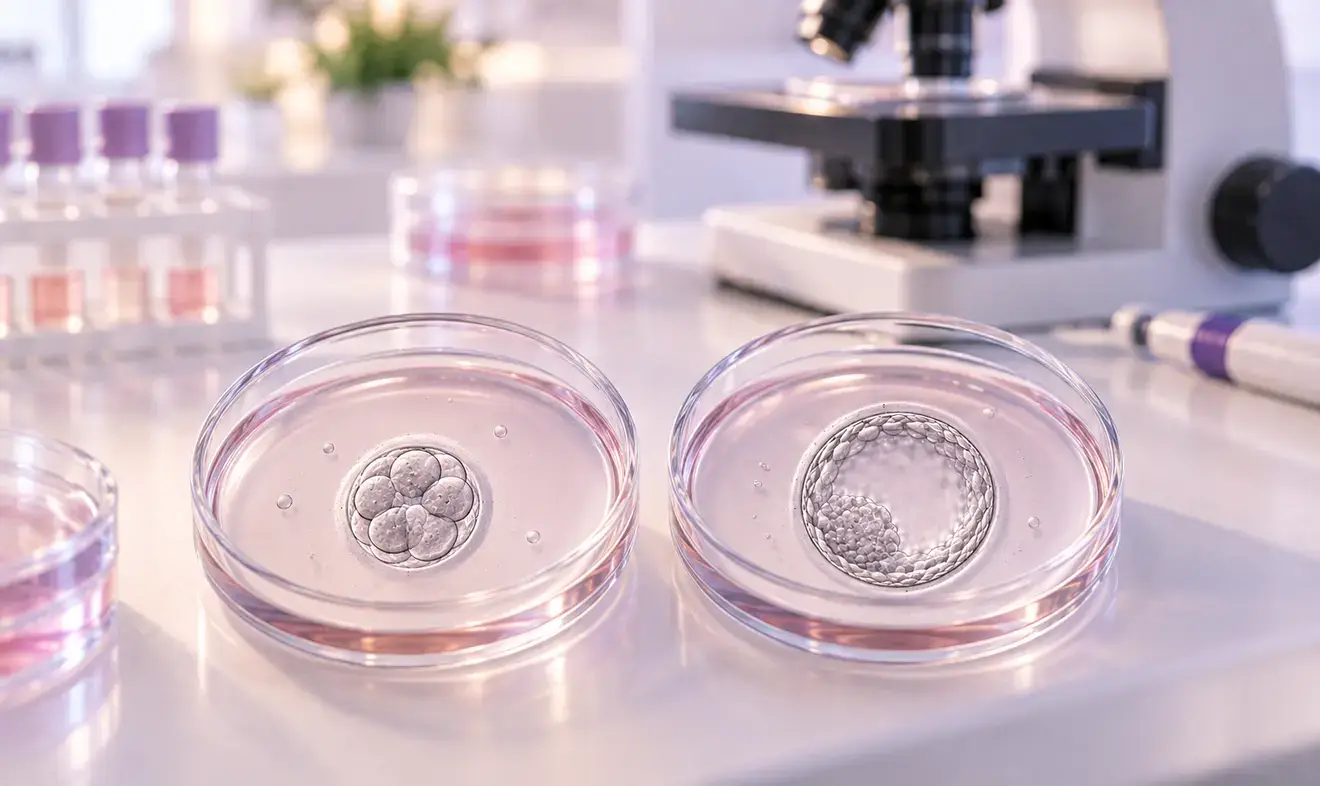
Modern assisted reproductive technology (ART) now grows embryos to the blastocyst stage, freezes them with fast vitrification, and can screen them before transfer. These tools make treatment safer and more precise. Over 10 million children have been born through ART worldwide.
At Archish Fertility & IVF Clinic, we combine advanced reproductive science with personalized care. With a 78% success rate, we focus on each patient’s unique fertility journey. Learn more about IVF, baby health, and development in this article.
Are Babies Born Through IVF Healthy?
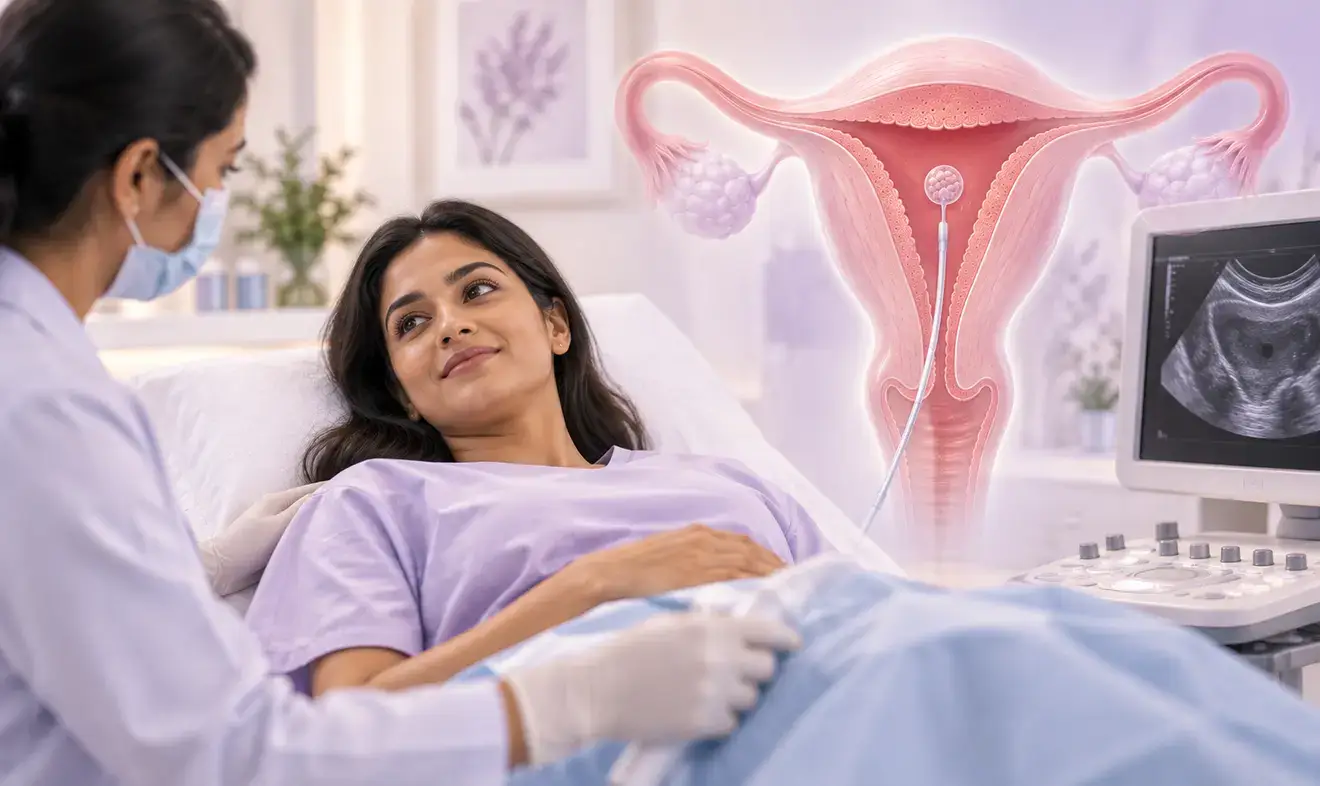
Yes. Most IVF babies are healthy, and research on their long-term health is generally reassuring. The main difference between IVF and natural conception is that in IVF, fertilization happens in a laboratory before the embryo is transferred to the uterus.
Once pregnancy is established, the embryo continues to develop in the uterus. The baby receives oxygen and nutrients through the placenta and follows the same basic stages of fetal development as any other pregnancy.
A 2022 review published in Frontiers in Reproductive Health examined the longer-term effects of IVF and other ART on children from childhood through adolescence. The researchers found that long-term evidence was generally reassuring, although some studies have reported differences in areas such as growth, cardiometabolic health, and certain childhood conditions.
The authors also noted that infertility, parental health, pregnancy complications, and older ART techniques can influence these findings.
Conclusion: The available evidence does not suggest that IVF automatically leads to poor health in children. More long-term research is still needed as ART techniques continue to evolve.
Do IVF Babies Have a Higher Risk of Health Problems?
There can be a slightly higher risk of certain pregnancy and birth outcomes with IVF, but this does not mean that IVF babies are unhealthy. Most children conceived through IVF grow and develop normally.
It also helps to understand two commonly used terms. Success rate may refer to achieving a pregnancy, while live birth rate refers to a pregnancy resulting in a live birth. These numbers are not the same, so it is useful to ask your fertility clinic how it defines its success rate.
A meta-analysis comparing singleton pregnancies conceived through IVF or ICSI with naturally conceived pregnancies found higher relative risks of some outcomes, including:
- Preterm birth: about 1.5 times higher
- Low birth weight: about 1.65 times higher
- Gestational diabetes and high blood pressure: around 1.5 times higher
These are relative risks, not the likelihood that an individual IVF baby will have a health problem. Factors such as maternal age, infertility, underlying health conditions, and pregnancy characteristics can also influence these outcomes.
Why Can IVF Pregnancies Have Different Outcomes?
The outcome of an IVF pregnancy depends on much more than the fact that IVF was used. Doctors consider several factors when assessing pregnancy and baby health:
- Age of the parents: Maternal age can influence pregnancy and chromosomal risks.
- Cause of infertility: Some underlying conditions may independently affect pregnancy outcomes.
- Maternal health: Conditions such as diabetes, hypertension, thyroid disorders, or other health concerns can influence pregnancy.
- Multiple pregnancy: Twins and higher-order pregnancies carry higher risks of preterm birth and other complications.
- Embryo transfer strategy: Single embryo transfer can reduce the likelihood of multiple pregnancy.
- Pregnancy monitoring: Regular monitoring allows doctors to identify and manage potential concerns early.
This is why two IVF pregnancies can have very different outcomes. The treatment needs to be viewed in the context of the individual patient rather than as a single risk category.
Are IVF Babies More Likely to Have Birth Defects?
The overall risk remains low, but some evidence shows a small increase in birth defects among babies conceived through assisted reproductive technology. This does not mean that IVF causes birth defects or that an IVF baby is likely to have a health problem.
The difference may also be influenced by factors such as the underlying cause of infertility, parental age, maternal health, and whether the pregnancy involves more than one baby.
For most parents, the key message is that IVF does not mean an unhealthy baby. Your fertility specialist can assess your individual risk factors and discuss whether any additional screening is appropriate during pregnancy.
Source: PubMed
Does the IVF Procedure Affect the Baby’s Development?
IVF does not mean that a baby will have delayed physical, cognitive, or emotional development.
| Myth | Fact |
|---|---|
| IVF babies are weaker. | Most IVF babies grow and develop normally. |
| IVF affects intelligence. | Current evidence does not show that the method of conception determines intelligence. |
| IVF babies have poor immunity. | A child’s immune health depends on many genetic and environmental factors, not simply the method of conception. |
| IVF changes the baby’s genes. | IVF itself does not rewrite a child’s inherited genetic code. |
| IVF babies cannot develop normally. | Children conceived through IVF can reach normal developmental milestones. |
| IVF means the child will have lifelong health problems. | Long-term evidence is generally reassuring, although research continues. |
A Personal IVF Journey: Our Founders Are IVF Parents Too
At Archish Fertility & IVF Clinic, IVF is not just a treatment we provide. Our founders and embryologists, Rishina Bansal and Navin Desai, have experienced the IVF journey themselves and are parents to an IVF-conceived child.
See their personal IVF journey and a healthy IVF baby on our Instagram carousel – Link
Do IVF Children Develop Normally?
Yes. Children born through IVF can grow, learn, socialize, and develop normally.
A child’s development depends on many factors, including genetics, nutrition, family environment, education, sleep, physical activity, and overall health. The way conception takes place is only one part of the journey.
For parents, there is no reason to assume that an IVF child will be physically or mentally different simply because conception involved medical assistance.
Does ICSI Affect the Baby’s Health?
Most babies born through ICSI are healthy and develop normally.
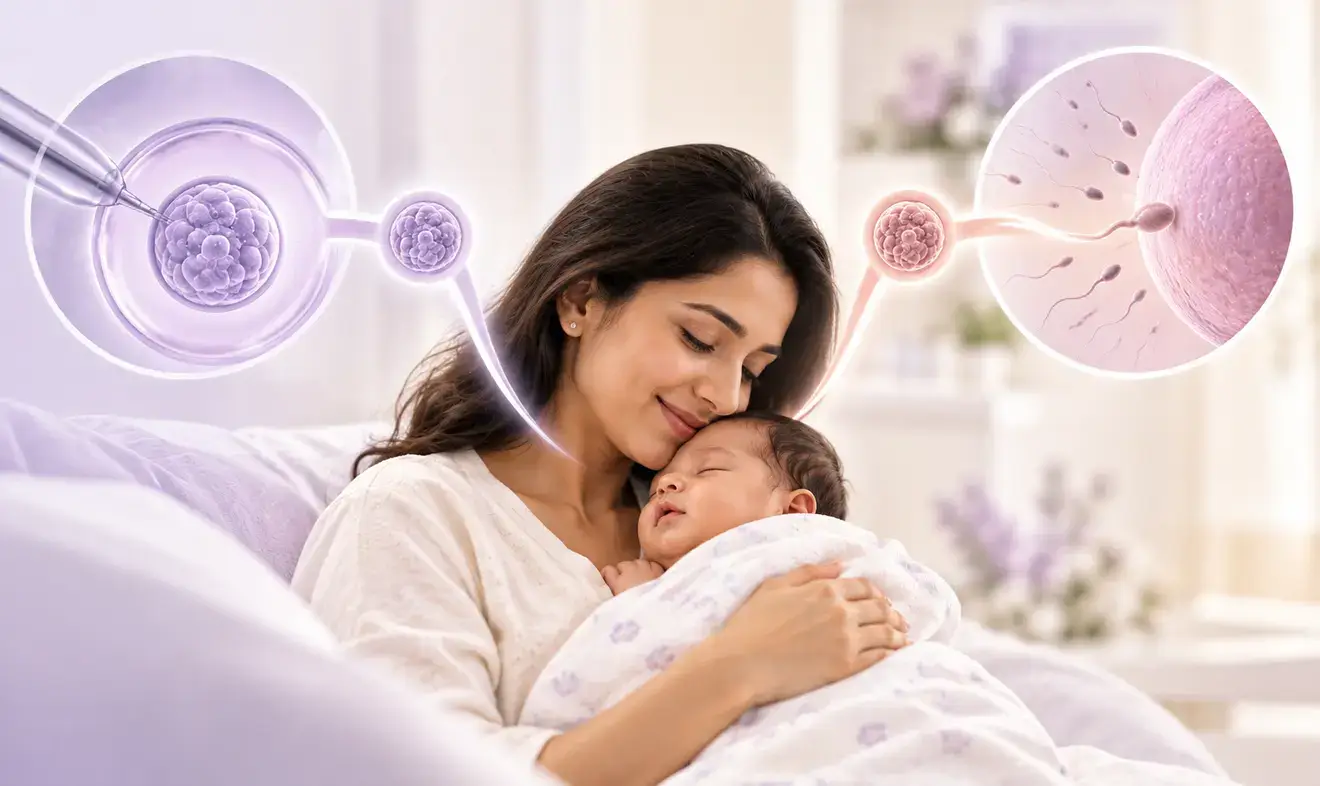
ICSI involves injecting a single sperm directly into the egg to help fertilization. It is commonly used when there is male infertility, a low sperm count, poor sperm movement, or previous fertilization problems.
Choosing ICSI does not mean that a baby will have health or developmental problems. Your fertility specialist can recommend ICSI based on your specific fertility needs and treatment history.
Does Embryo Freezing or Frozen Embryo Transfer Affect the Baby?
Frozen embryo transfer is a well-established part of modern IVF, and freezing an embryo does not mean that the baby will be unhealthy.
With modern freezing techniques, embryos can be preserved and transferred at a later stage when the timing is appropriate. Your doctor may recommend a frozen embryo transfer based on your treatment plan, uterine lining, hormone levels, and overall health.
The choice between a fresh and frozen transfer is individualized. Your fertility specialist can explain which approach is appropriate for your IVF journey.
How Can You Support a Healthy IVF Pregnancy?
A healthy IVF pregnancy starts before embryo transfer. The goal is not simply to achieve a positive pregnancy test. It is to support the health of both mother and baby throughout the journey.
Here are some important steps:
- Complete a proper preconception assessment: Your doctor can identify medical conditions that may need attention before treatment.
- Follow your fertility treatment plan carefully: Take prescribed medicines and attend recommended scans and appointments.
- Discuss embryo transfer options: Single embryo transfer may help reduce the risks associated with multiple pregnancy when clinically appropriate.
- Maintain regular prenatal care: IVF pregnancies may receive closer monitoring so that potential concerns can be identified early.
- Follow healthy pregnancy habits: Nutrition, sleep, physical activity, medication safety, and avoiding tobacco and alcohol all matter.
- Talk to a fertility specialist instead of relying on myths: Family opinions and online discussions can raise genuine questions, but your own medical history matters more than generalized claims about IVF.
At Archish Fertility & IVF Clinic, fertility care is built around understanding your individual situation, explaining your options clearly, and helping you make decisions based on medical evidence rather than fear.
If you are considering IVF and are worried about the health of IVF babies, an early consultation can help you understand the factors that actually matter for your pregnancy and future child.
FAQs
Yes. Most babies conceived through IVF are healthy and develop normally. Some IVF pregnancies have slightly different risks, but these can also be influenced by infertility, parental age, maternal health, and pregnancy factors.
Not necessarily. Research has identified small increases in some outcomes, including preterm birth and certain congenital anomalies. However, IVF itself is not the only factor involved.
No, IVF does not automatically increase the chance of twins. The likelihood mainly depends on the number of embryos transferred. Transferring a single embryo significantly reduces the chance of a multiple pregnancy.
The overall risk of birth defects remains low. IVF does not mean that a baby will have a birth defect. Your doctor may recommend appropriate prenatal screening based on your age, medical history, and pregnancy.
Most children born through IVF grow and develop normally. Their long-term health depends on several factors, including genetics, overall health, nutrition, lifestyle, and their environment, rather than simply how they were conceived.