
What Is Preimplantation Genetic Diagnosis (PGD) and When Is It Done?
What is Preimplantation Genetic Diagnosis (PGD)?
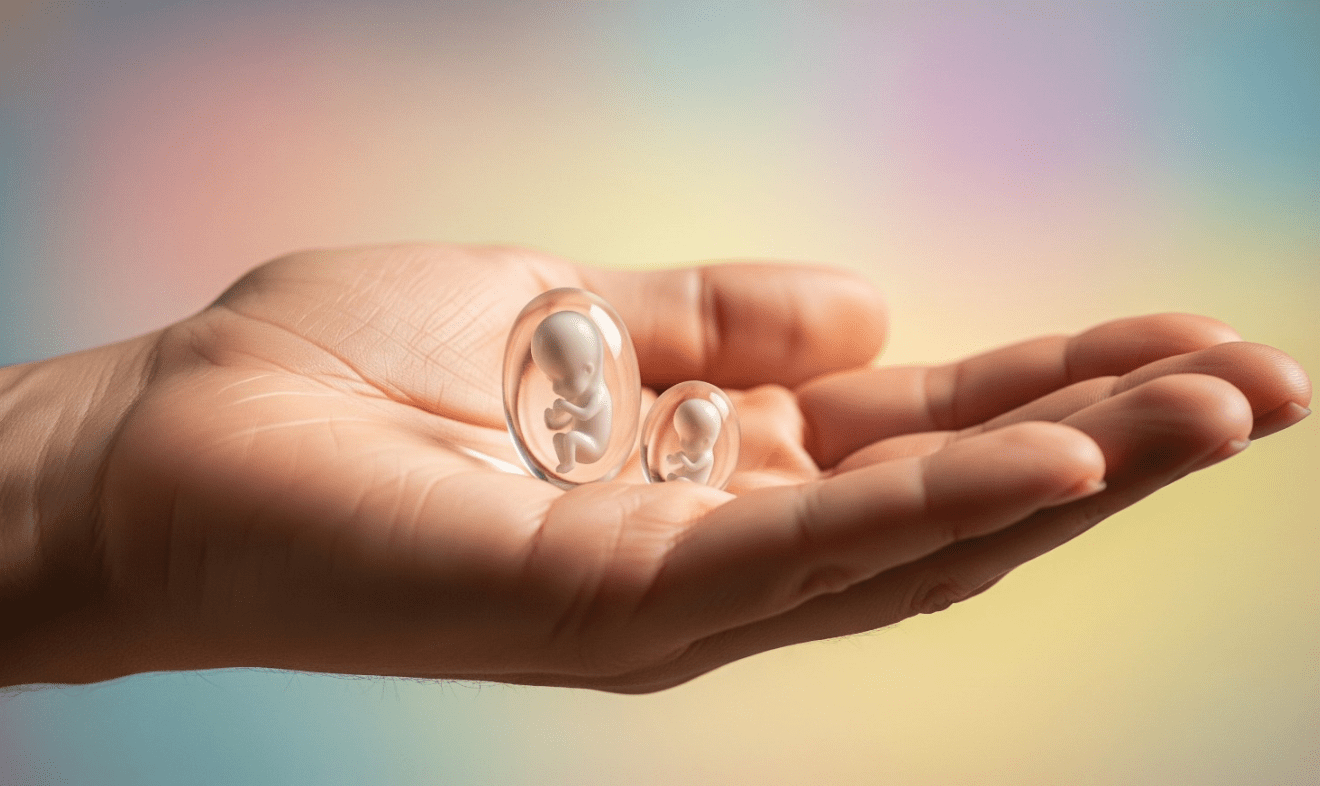
PGD is a medical test that is performed during IVF (in vitro fertilization). A broader term is preimplantation genetic testing, which includes other types of tests as well. PGD specifically checks if the embryos carry certain genetic issues before placing one in the womb. An embryo is what forms after an egg is fertilized by a sperm. Since IVF creates a few embryos, PGD helps doctors choose the healthiest one.
Who Should Get Pre-Implantation Genetic Diagnosis Done?
PGD is recommended for individuals (or couples) who fall into any of the following categories:
- People who carry sex-linked genetic disorders that are passed down through families.
- Individuals who are at risk of having a child with a single-gene condition.
- If one or both partners have chromosomal abnormalities, PGD should be done.
- Women who are 35 years old (or older) when they become pregnant. This is because the risk of certain genetic issues increases with age.
- Couples who have tried IVF many times but have had no success.
- Women who have had several miscarriages in the past.
- Those couples who had a previous pregnancy that was affected by chromosomal disorders.
- Anyone who wants to avoid the possibility of late pregnancy termination due to genetic issues.
- Those seeking to avoid the possibility of late pregnancy termination due to genetic issues.
PGD Procedure: How is PGD Performed?
Preimplantation Genetic Diagnosis PGD happens as part of an IVF cycle. The following is a breakdown of the procedure:
- Fertilization in the Labf
As a first step, eggs and sperm are combined through IVF (in vitro fertilisation). If the process is successful, embryos are created under controlled laboratory conditions. - Embryo Culturing
The fertilized embryos are grown in a laboratory for approximately 5 to 6 days. They are monitored throughout until they reach the blastocyst stage. At this stage, the embryo divides into two types of cells. One will develop into the baby, and the other will form the placenta. - Embryo Biopsy
A few cells are carefully removed from each developed embryo. This is done with precision without damaging the embryo’s potential to grow. This step is known as an embryo biopsy. - Genetic Test of Biopsied Cells
The extracted cells undergo detailed genetic testing. This is done to detect chromosomal abnormalities (such as having the wrong number of chromosomes). It can also identify specific single-gene disorders. - Embryo Selection
Only genetically healthy embryos are chosen for embryo transfer. - Embryo Transfer and Pregnancy Monitoring
The selected embryo is implanted in the uterus (womb) of the woman. The woman is then monitored. The doctors look for signs of embryo development and a successful pregnancy.
What are the Benefits of a PGD Procedure?
One of the benefits of PGD is that it can increase the success rates of IVF. Apart from that, it protects newborns from genetic diseases that run in families. PGD lowers the risk of miscarriage or failed pregnancy that happens because of genetic problems. Therefore, it helps couples achieve live births. This can save families from emotional and financial stress. Additionally, people who use donated eggs or sperm during assisted reproduction may also choose PGD. This is done especially if the donor has a known genetic condition.
What are the Major Genetic Diseases That Can Be Screened Using PGD?
There are many benefits of preimplantation genetic diagnosis. It is capable of identifying over 200 genetic diseases. Some of them are as follows:
- Cystic Fibrosis
- Tay-Sachs Disease
- Thalassemia (a blood disorder)
- Sickle Cell Anaemia
- Spinal Muscular Atrophy (affects muscles and movement)
- Huntington’s Disease
- Myotonic Dystrophy (a type of muscular dystrophy)
- BRCA1/2 (linked to breast and ovarian cancer)
- Fragile X (a genetic condition causing intellectual disability)
- Haemophilia A and B
- Marfan Syndrome (affects the heart and connective tissue)
- Polycystic Kidney Disease
- Familial Adenomatous Polyposis (causes colon polyps that may lead to cancer)
- Chromosomal changes (can affect fertility or cause disorders)
FAQs
PGD is performed after fertilization. It is usually done on day 5 or 6. By this point, the embryo has developed enough for a biopsy.
Consider factors such as your age and medical and family history. Make sure you are emotionally ready. Also, check if the financial cost is manageable.
PGD is generally safe. However, there is a slight chance the embryo may be harmed during the biopsy. Additionally, test results may sometimes be unclear, or no healthy embryo may be found.
They check for genetic disorders, chromosomal abnormalities, or single-gene disorders. This improves the chance of a successful pregnancy.