Recurrent Implantation Failure: Why Do Good-Quality Embryos Fail to Implant?
A good-quality embryo does not always result in pregnancy. Recurrent implantation failure (RIF) can occur when repeated embryo transfers do not result in implantation, even when the embryos appear healthy under the microscope. This is because embryo quality is only one part of the implantation process.
Several factors can affect implantation, including chromosomal abnormalities in the embryo, problems within the uterine cavity, an endometrium that is not adequately prepared, hormonal factors, and certain reproductive conditions. In some cases, sperm-related factors or fluid in the fallopian tubes may also need evaluation.
The important point is that embryo grading alone cannot predict whether an embryo will implant. Also, a failed embryo transfer does not automatically mean there is a problem with the uterus or that IVF will not work.
An embryologist can review previous IVF cycles, embryo development, transfer details, and relevant medical findings to identify factors that may need attention before another transfer.
What is Recurrent Implantation Failure?
Recurrent implantation failure means repeated failure to achieve implantation after embryo transfers. However, no single definition is accepted by every fertility society or clinic.
Implantation begins when a developing blastocyst attaches to and penetrates the endometrium. Clinically, implantation is first suggested by detectable hCG after embryo transfer and later confirmed by an intrauterine gestational sac on ultrasound.
Current ASRM guidance defines RIF using the estimated number of good-quality blastocysts needed to reach a 95% cumulative chance of a positive pregnancy test. This approach considers factors such as embryo ploidy and patient age instead of relying only on the number of failed transfers.
This means that one unsuccessful embryo transfer does not necessarily indicate RIF.
Why Can a Good-Quality Embryo Fail to Implant?
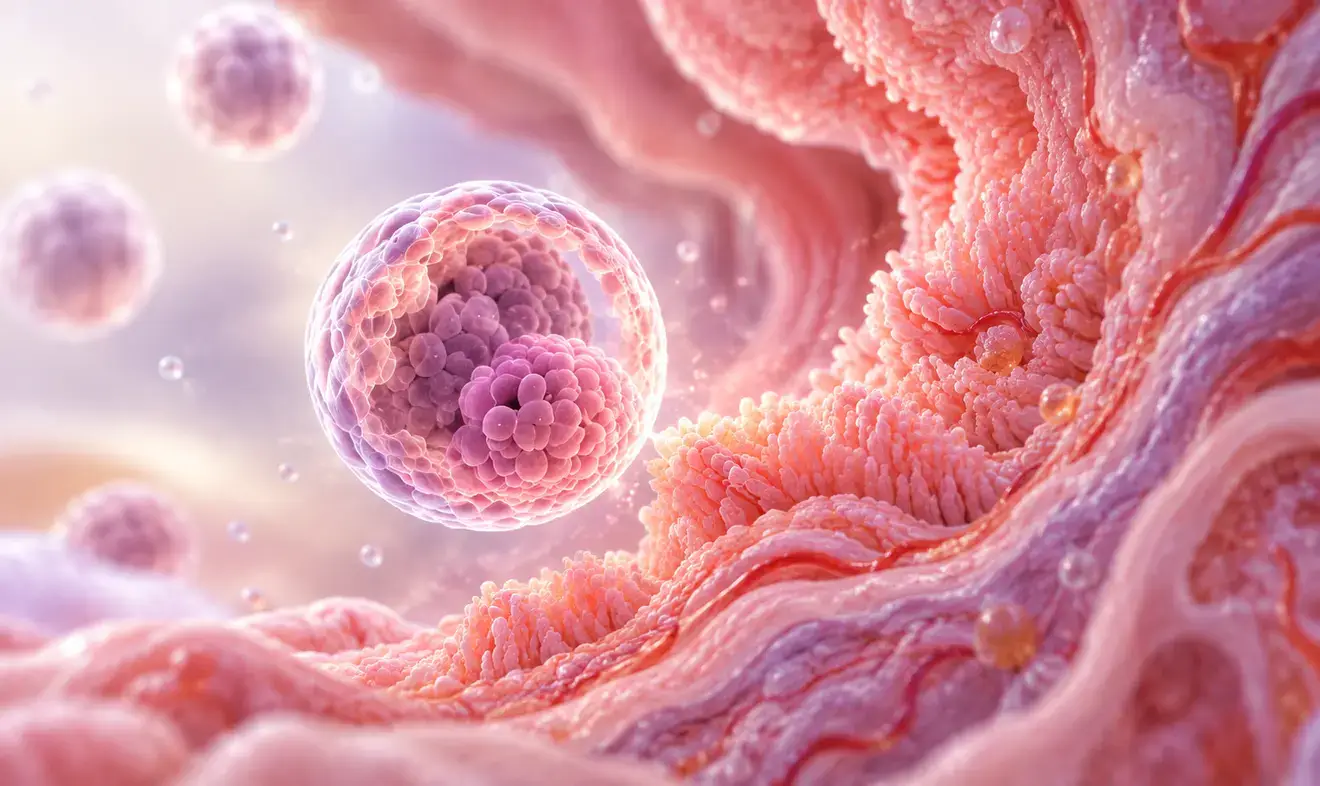
Implantation is not a single event. It is a carefully timed sequence in which the embryo develops to the blastocyst stage, reaches the uterus, attaches to the endometrium, and begins interacting with maternal tissue. Even when an embryo looks good under the microscope, every step must occur successfully for implantation to continue.
Blastocyst Development
Before implantation can occur, the embryo must continue developing into a blastocyst.
- The blastocyst forms around five to six days after fertilization.
- It contains an inner cell mass, which develops into the fetus, and an outer layer called the trophectoderm, which contributes to the placenta.
- The blastocyst must also undergo hatching, where it breaks free from the surrounding zona pellucida.
- Only after hatching can it begin attaching to the endometrium.
A good morphological grade indicates favorable appearance and development, but it does not guarantee that every biological step required for implantation will occur normally.
Embryo-Endometrium Interaction
Successful implantation requires communication between the developing embryo and the endometrium.
The process involves several stages: Apposition → adhesion → invasion
- Apposition: The blastocyst comes into close contact with the endometrial surface.
- Adhesion: The blastocyst attaches more firmly to the endometrial cells.
- Invasion: Cells from the developing embryo begin to enter the endometrial tissue and establish the early connection needed for placental development.
This interaction involves molecular signals, cell-surface proteins, growth factors, and other biological pathways. A disruption at any stage may prevent implantation from progressing.
Endometrial Receptivity
The endometrium does not remain equally receptive throughout the menstrual cycle. Hormonal changes prepare it for a limited period when it can support embryo attachment and implantation.
This period is often referred to as the window of implantation.
For successful implantation, the embryo must reach the uterus when the endometrium is appropriately developed. Progesterone plays an important role in transforming the endometrium and supporting the changes required for implantation.
Maternal Blood Supply and Early Placental Development
Implantation does not end when the embryo attaches to the uterine lining. The process continues as the developing trophoblast interacts with maternal tissue and contributes to early placental development.
This involves changes within the endometrium and the development of connections with the maternal blood supply.
In simple terms, implantation is the beginning of a biological partnership between the embryo and the uterus, not simply the embryo sticking to the uterine lining.
Why Implantation Can Be Difficult to Predict?
Implantation is difficult to predict because it depends on several biological processes working together, not just on how an embryo looks. A good-quality embryo must continue developing normally, hatch, interact with a receptive endometrium, attach successfully, and begin early placental development.
Even when these conditions appear favorable, implantation may not occur. This is why embryo quality is important, but it cannot guarantee successful implantation.
What are the Signs of Embryo Implantation Failure?
There is usually no specific physical symptom that confirms implantation failure. Some patients may experience spotting, cramping, or no symptoms at all after an embryo transfer. These symptoms cannot reliably tell whether implantation has occurred.
The more meaningful indicators are:
- A negative pregnancy test after the expected testing window
- hCG that does not rise as expected
- No evidence of an intrauterine pregnancy on ultrasound when one would normally be visible
Repeated unsuccessful embryo transfers may prompt an evaluation for recurrent implantation failure.
What Causes Recurrent Implantation Failure in IVF?
RIF can involve embryo-related, uterine, endometrial, inflammatory, hormonal, or other reproductive factors. In many patients, more than one factor may need to be considered, while sometimes no clear cause is identified.
| Potential factor | How it may affect implantation | How it may be evaluated | What may be considered |
|---|---|---|---|
| Embryo chromosomal abnormalities | An embryo can look good morphologically but still have an abnormal number of chromosomes, which can limit implantation and continued development. | Review of embryo history; PGT-A may be discussed in selected cases | Individualized embryo-transfer strategy; PGT-A may be considered through shared decision-making |
| Uterine cavity abnormalities | Polyps, submucosal fibroids, adhesions, or certain uterine abnormalities can interfere with the uterine environment needed for implantation. | Ultrasound, saline sonography, 3D ultrasound, or hysteroscopy when indicated | Treatment or removal of clinically significant cavity abnormalities |
| Hydrosalpinx | Fluid from a blocked, swollen fallopian tube can negatively affect IVF outcomes and the uterine environment. | Ultrasound, HSG or other tubal assessment | Surgical treatment, such as salpingectomy or tubal occlusion, may be considered |
| Thin endometrium | A persistently thin endometrium is associated with lower implantation and live birth rates in IVF. | Ultrasound assessment during endometrial preparation | Review estrogen exposure and investigate possible underlying uterine factors |
| Chronic endometritis | Persistent inflammation of the endometrium may be associated with poorer reproductive outcomes in some patients. | Endometrial biopsy, with CD138 staining where appropriate | Antibiotic treatment may be considered when chronic endometritis is diagnosed |
| Endometriosis or adenomyosis | These conditions may alter the uterine environment and are being studied as potential contributors to implantation problems. | Medical history, ultrasound, and other imaging or evaluation when indicated | Management depends on the condition, symptoms, and fertility plan |
| Hormonal or endocrine factors | Abnormal thyroid function, prolactin levels, or inadequate hormonal preparation may affect reproductive function or endometrial development. | Targeted blood tests and review of the transfer protocol | Treat an identified endocrine problem and optimize hormonal support |
| Parental chromosomal abnormalities | Rare structural chromosome rearrangements in either parent can affect embryo chromosome composition. | Parental karyotyping in selected cases | Genetic counseling and, where appropriate, discussion of PGT-SR |
| Immune or clotting factors | Their role in RIF remains uncertain. Routine immune or thrombophilia testing has not been shown to improve outcomes. | Testing only when there is a specific clinical indication | Avoid routine immune therapies or anticoagulation without an appropriate indication |
How Can You Improve Implantation Success?
The best approach is to identify and address a relevant, treatable factor rather than add treatments routinely. Depending on the findings, a fertility specialist may consider:
- Correcting a uterine problem: Polyps, adhesions, or certain fibroids may require treatment before another embryo transfer. Hysteroscopy can help diagnose and, in selected cases, treat problems inside the uterine cavity.
- Optimizing a thin endometrium: If the lining remains thin, the doctor may reassess the estrogen regimen and investigate possible uterine causes. ESHRE notes that hysteroscopy can be considered when the endometrium remains thin despite adjustment of the preparation protocol.
- Reviewing embryo-related factors: Doctors may review embryo development and consider whether embryo genetic testing has a role in the individual case. PGT-A can provide information about embryo ploidy, but it should not be presented as a guaranteed solution for RIF.
- Treating an identified medical condition: If evaluation identifies a relevant endocrine, uterine, or inflammatory condition, treating that condition may be part of the next treatment plan.
- Being selective about IVF add-ons: Treatments such as immune therapies, endometrial receptivity testing, PRP, and other proposed add-ons are often discussed after failed IVF. However, evidence does not support routine use of many of these approaches. For example, ESHRE does not recommend routine use of currently available endometrial receptivity tests, while ASRM states that there is insufficient evidence to support routine immunologic therapies for RIF.
Does Recurrent Implantation Failure Mean IVF Will Not Work?
No. RIF does not mean that IVF cannot result in a successful pregnancy.
Repeated failed transfers do not automatically mean that the next transfer will fail. Some patients have an identifiable factor that can be addressed. In others, no clear cause is found even after a detailed evaluation.
The next step should therefore not be based on guesswork. At Archish Fertility and IVF Clinic in Bangalore, the approach is centered on reviewing the patient’s fertility history and reports before recommending the next step. The clinic offers fertility assessment, IVF, embryo-transfer care, and fertility-enhancing procedures, with personalized treatment planning.
FAQs
No. Implantation failure refers to failure to establish a pregnancy after embryo transfer. Recurrent pregnancy loss refers to pregnancies that were established but subsequently ended. The two conditions require different evaluation.
Often not. Doctors usually wait for test results and finish any treatment first. The wait depends on what your case needs.
Yes. Embryo health depends on both egg and sperm. The male side is often missed, so ask for it.
Yes. Embryo grading is based mainly on appearance and development. It cannot confirm that an embryo has the expected number of chromosomes.
Sometimes. Treatment depends on the factor identified. This may include treating a uterine abnormality, addressing a persistently thin endometrium, reviewing embryo-related factors, or managing a relevant medical condition.