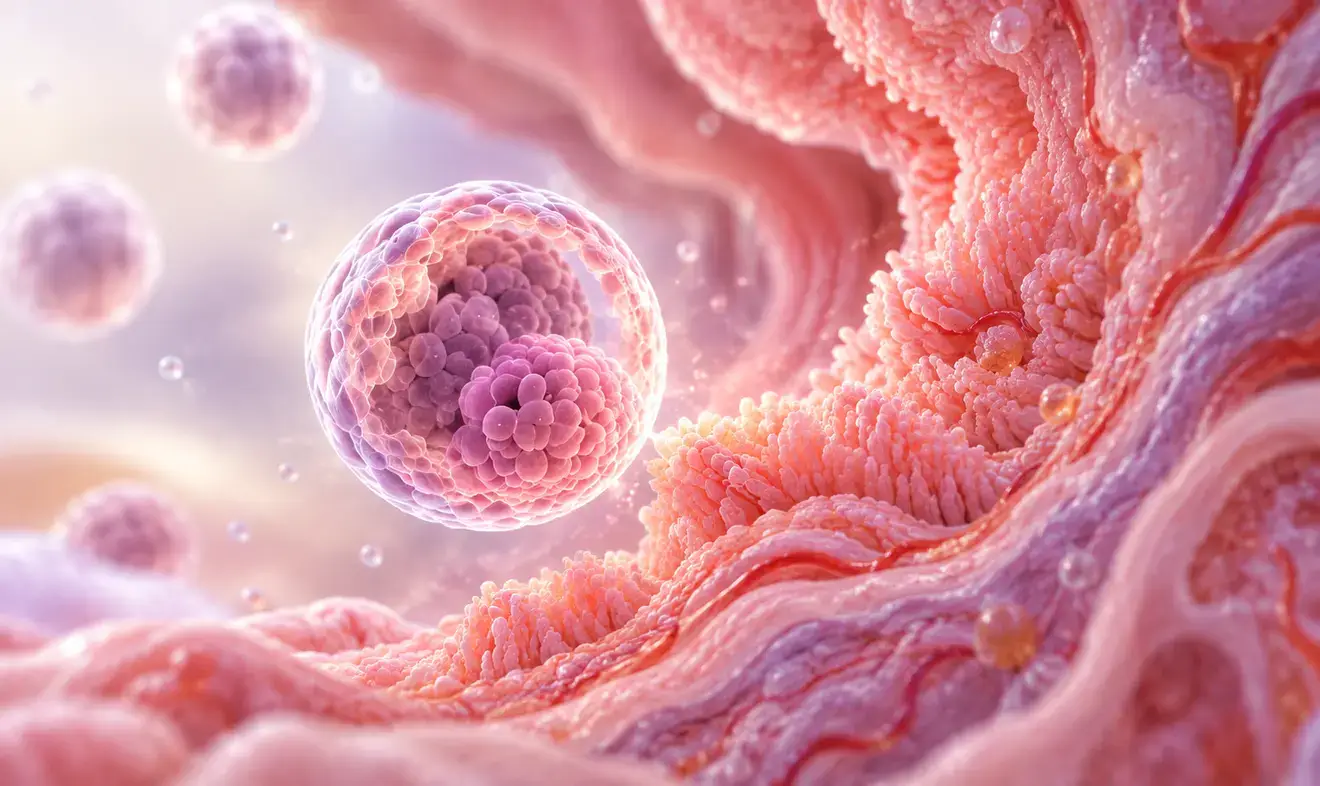
How to Improve IVF Success Rate Naturally (Before & During Treatment)
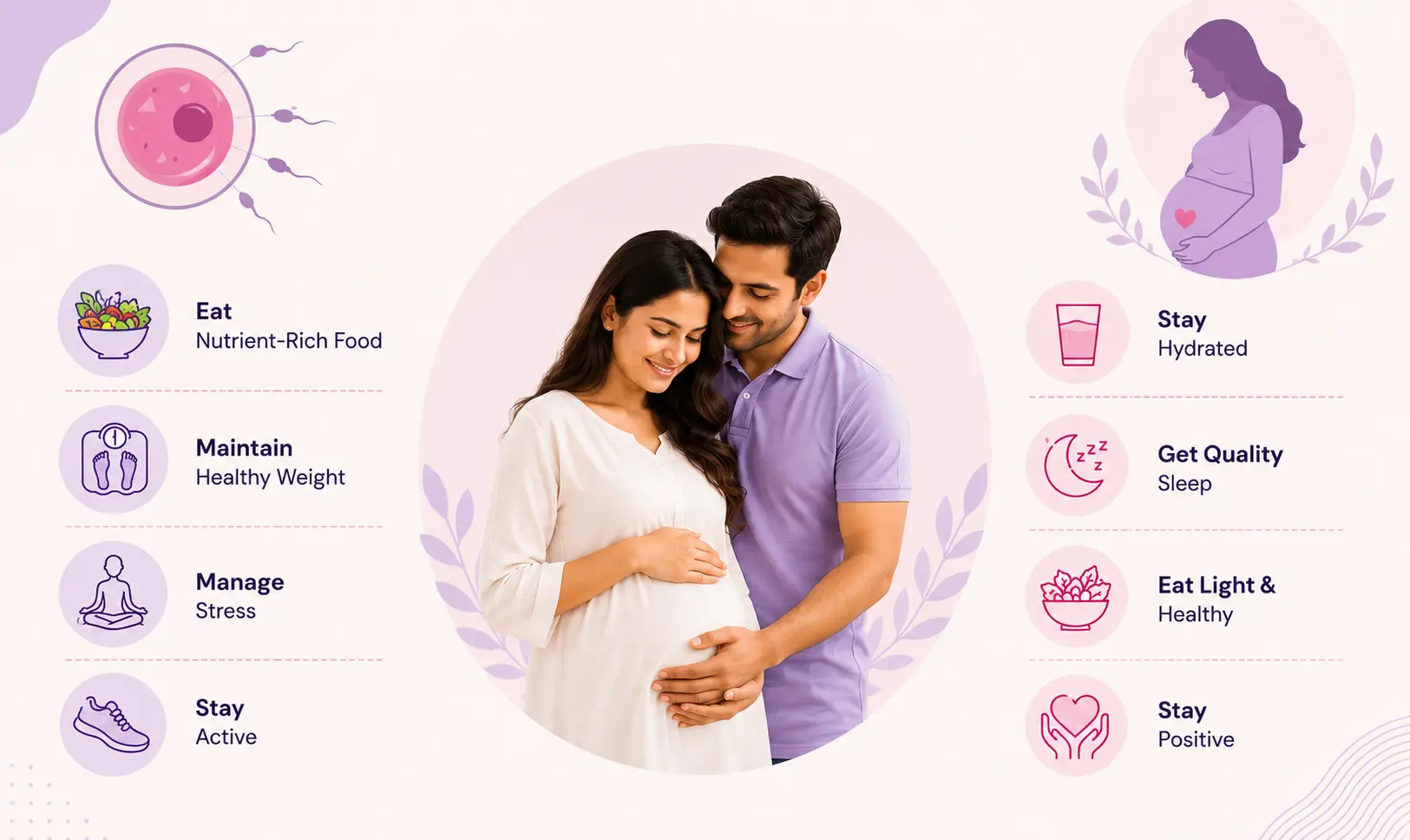
Improving IVF success rates naturally is possible by maintaining a healthy lifestyle. However, these are supporting elements. Your IVF success rates largely depend on medical factors such as age, egg quality, sperm quality, and embryo health.
Several studies have explored how lifestyle factors, including nutrition, weight management, sleep, and smoking cessation, can influence reproductive health and contribute to better IVF outcomes. While these changes cannot replace medical treatment, they can complement the IVF process by helping your body prepare for and respond to treatment more effectively.
This guide explains what genuinely helps before and during IVF, what does not, and the science behind these recommendations. At Archish, one of the most common questions patients ask during their first consultation is: Can lifestyle really improve IVF success rates? Here’s what the evidence says.
At a Glance:
- Age and embryo quality remain the strongest predictors of IVF success (Source).
- A Mediterranean diet is linked to a 65 to 68% higher chance of pregnancy in one large study (Source).
- Every 5-unit rise in BMI is linked to a 5 to 7% drop in live birth rates (Source).
- Moderate sleep, 7 to 8 hours, outperforms both short and long sleep for pregnancy rates (Source).
- Smoking nearly halves IVF success rates (Source).
What Is IVF?
In vitro fertilization (IVF) is a type of assisted reproductive technology (ART) that helps couples conceive when natural pregnancy is difficult.
During IVF, the ovaries are stimulated using medications to produce multiple eggs. These eggs are then collected and fertilized with sperm in a laboratory. Once healthy embryos develop, one or more embryos are transferred into the uterus.
The IVF process usually includes:
- Ovarian stimulation
- Egg retrieval
- Fertilization in the laboratory
- Embryo culture
- Embryo transfer
- Pregnancy test
IVF is commonly recommended for conditions such as blocked fallopian tubes, PCOS, endometriosis, male infertility, unexplained infertility, or repeated unsuccessful fertility treatments.
What Factors Determine IVF Success?
IVF success depends on several medical, biological, and lifestyle factors. While healthy habits can support your body before and during treatment, they work alongside medical care rather than replacing it.
Here are the key factors that influence IVF success:
- Age: Age is one of the most important factors affecting IVF success. As women grow older, both egg quantity and quality naturally decline, which can reduce the chances of pregnancy.
- Egg and Sperm Quality: Healthy eggs and sperm are essential for successful fertilization and embryo development. Since both partners contribute equally to embryo quality, preparing together is important.
- Embryo Quality: The quality of the embryo plays a major role in implantation and a healthy pregnancy. Better-quality embryos generally have a higher chance of successful implantation.
- Uterine Health: A healthy uterine lining provides the right environment for the embryo to implant and grow. Certain uterine conditions may affect this process.
- Ovarian reserve: Ovarian reserve refers to the number of eggs remaining in the ovaries. A lower ovarian reserve may influence how your body responds to ovarian stimulation during IVF.
- Underlying Fertility Condition: Conditions such as PCOS, endometriosis, blocked fallopian tubes, or male infertility can affect IVF outcomes and may require a tailored treatment approach.
Can You Improve IVF Success Rates Naturally?
Yes, to some extent. As highlighted in the studies discussed above, several lifestyle factors, have been associated with improved IVF outcomes. While the results vary from person to person and not every study reports the same degree of benefit. The overall evidence suggests that these healthy habits can positively support fertility treatment.
That said, natural methods cannot reverse age-related decline in egg quality, improve severe male infertility, or correct structural conditions such as blocked fallopian tubes. Instead, they work alongside medical treatment to help create the best possible conditions for IVF.
7 Natural Ways to Improve IVF Success Rates Before Treatment
Preparing for IVF begins weeks or even months before your treatment cycle. These lifestyle changes can help improve your overall reproductive health and prepare your body for ovarian stimulation, embryo transfer, and pregnancy.
1. Maintain a Healthy Weight
A healthy body weight supports hormone balance and may improve your response to IVF medications. Being underweight or overweight can affect ovulation, egg quality, and pregnancy outcomes. If weight management is recommended, work with your nutrionist to achieve it gradually before starting treatment.
2. Follow a Fertility-Friendly Diet
There is no single IVF diet, but eating a balanced diet rich in fruits, vegetables, whole grains, legumes, lean proteins, healthy fats, and dairy can support reproductive health. A Mediterranean-style eating pattern has also been associated with better fertility outcomes in some studies. Limit processed foods, added sugars, and trans fats wherever possible.
3. Take Only Doctor-Recommended Supplements
Certain supplements, such as folic acid, Vitamin D, or iron, may be recommended based on your nutritional status and fertility diagnosis. However, avoid taking supplements without medical advice, as not every supplement is suitable for every patient.
4. Stay Physically Active
Regular, moderate exercise can help maintain a healthy weight, improve blood circulation, and support overall well-being. Activities such as brisk walking, swimming, cycling, or light strength training are generally good options.
5. Prioritize Sleep and Emotional Well-being
Aim for 7 to 9 hours of quality sleep every night. Good sleep supports hormone regulation and overall health. Additionaly, healthy ways to manage stress, such as meditation, breathing exercises, counseling, or spending time with loved ones, can make the IVF journey more manageable.
6. Quit Smoking and Avoid Alcohol
Smoking has been linked to reduced egg quality, lower ovarian reserve, and poorer fertility outcomes. Alcohol may also affect reproductive health in both women and men. Stopping these habits before treatment gives your body the best chance to respond well to IVF.
7. Manage Existing Medical Conditions
Conditions such as PCOS, thyroid disorders, diabetes, hypertension, or obesity should be well controlled before beginning IVF. Following your treatment plan and attending regular check-ups can help create a healthier environment for conception and pregnancy.
5 Ways to Improve IVF Success Rates During Treatment
Once your IVF cycle begins, the focus shifts from making major lifestyle changes to supporting your treatment and following your doctor’s recommendations.
1. Follow Your Medication Schedule Exactly
IVF medications work on precise timing to support ovarian stimulation, egg maturation, and embryo transfer. Set reminders if needed, and never change or skip a dose without speaking to your fertility team.
2. Stay Active, but Avoid Intense Exercise
Moderate movement such as walking, light stretching, or gentle yoga is generally considered safe during IVF. However, avoid high-intensity workouts, heavy lifting, or activities that put excessive strain on your body, especially after egg retrieval.
3. Stay Hydrated and Eat Balanced Meals
Your body needs consistent nourishment throughout the IVF cycle. Drink plenty of water and eat regular meals with protein, whole grains, fruits, vegetables, and healthy fats. Hormonal medications may cause bloating or constipation, and staying hydrated can help manage these symptoms. Avoid crash diets or skipping meals during treatment.
4. Manage Stress in Healthy Ways
Feeling anxious during IVF is normal, and stress alone does not determine treatment success. Focus on healthy coping strategies such as deep breathing, mindfulness, light yoga, or talking to a trusted friend or counselor to help you navigate the journey.
We understand that fertility takes our toll on your mental and emotional well-being. That’s why we have parterned with Amaha Health. You can book an appointment and freely talk to our experts about your concerns.
5. Limit Caffeine and Avoid Smoking or Alcohol
It is adviced that moderate caffeine intake of less than 200 mg per day is generally considered safe during IVF. At the same time, avoid smoking and alcohol, as both have been associated with poorer reproductive health and may affect treatment outcomes.
Does Your Partner’s Health Affect IVF Success?
Yes. Successful fertilization and healthy embryo development depend on both the egg and the sperm.
Here are a few ways male partners can prepare for IVF:
- Maintain a Healthy Weight: Obesity has been linked to reduced sperm quality and hormonal changes that may affect fertility.
- Quit Smoking and Limit Alcohol: Both can negatively impact sperm count, motility, and DNA integrity.
- Eat a Balanced Diet: A diet rich in fruits, vegetables, whole grains, lean protein, healthy fats, and antioxidants supports overall reproductive health.
- Get Enough Sleep: Aim for 7 to 9 hours of quality sleep each night to support hormone regulation and overall health.
- Avoid Excessive Heat Exposure: Frequent use of hot tubs, saunas, or prolonged heat exposure around the groin may temporarily affect sperm production.
- Manage Existing Health Conditions: Conditions such as diabetes, obesity, or hormonal disorders should be well controlled before treatment.
IVF Success Rates by Age
There is no fixed IVF success rate that applies to everyone. Your chances of success depend on factors such as age, egg and sperm quality, embryo quality, the underlying cause of infertility, and your response to treatment.
| Age Group | Average Live Birth Rate per IVF Cycle* |
|---|---|
| Below 35 years | 40–50% |
| 35–37 years | 30–40% |
| 38–40 years | 20–30% |
| 41–42 years | 10–20% |
| Above 42 years | Below 10% |
*These figures are approximate and may vary depending on individual health, embryo quality, fertility diagnosis, treatment protocol, and the fertility clinic.
Things That Do Not Increase IVF Success Rates (Avoid These)
- Mega-doses of supplements taken without medical guidance, since more is not automatically better and some can interfere with medications.
- Crash diets or extreme fasting right before or during your cycle.
- Strict bed rest after embryo transfer, which has no proven benefit in research and is not routinely recommended.
- Unproven fertility detox programs or herbal blends with no clinical backing.
- Adjusting your prescribed hormone doses on your own.
When Should You See a Fertility Specialist?
Consider consulting a fertility specialist if you:
- Are under 35 and have been trying to conceive for over a year.
- Are 35 or older and have been trying for six months or longer.
- Have irregular or absent periods.
- Have been diagnosed with PCOS, endometriosis, or blocked fallopian tubes.
- Have experienced recurrent miscarriages.
- Have known male fertility concerns.
- Are planning IVF and want to optimize your chances before treatment.
Healthy lifestyle changes can help prepare your body for IVF, but they work best when combined with timely medical care.
At Archish Fertility & IVF Clinic in Bangaluru, every fertility journey begins with understanding your unique medical history, fertility goals, and treatment options, helping you make informed decisions with confidence.
FAQs
They can help at the margins, but age remains the biggest factor. Lifestyle changes work best combined with timely medical evaluation rather than as a way to delay treatment.
It's ideal to start preparing for IVF at least two to three months before your treatment cycle. This gives you time to adopt healthier lifestyle habits, manage existing medical conditions, and follow any recommendations from your fertility specialist.
Male partners should maintain a healthy lifestyle by eating a balanced diet, exercising regularly, getting enough sleep, avoiding smoking and excessive alcohol, and managing existing health conditions. These habits can support sperm quality before treatment.